Mallorca, the largest of the Balearic Islands, is a paradise for beach lovers, culture enthusiasts, and adventure seekers alike. While many visitors opt to rent cars to explore its stunning landscapes, the island’s public transport system offers a convenient, eco-friendly, and affordable way to get around. Whether you’re planning to stay in Palma or venture to the island’s more remote corners, understanding the public transport options available can make your trip smoother and more enjoyable. Let’s dive into the ins and outs of getting around Mallorca without a car.
Public Buses: The EMT and TIB Networks
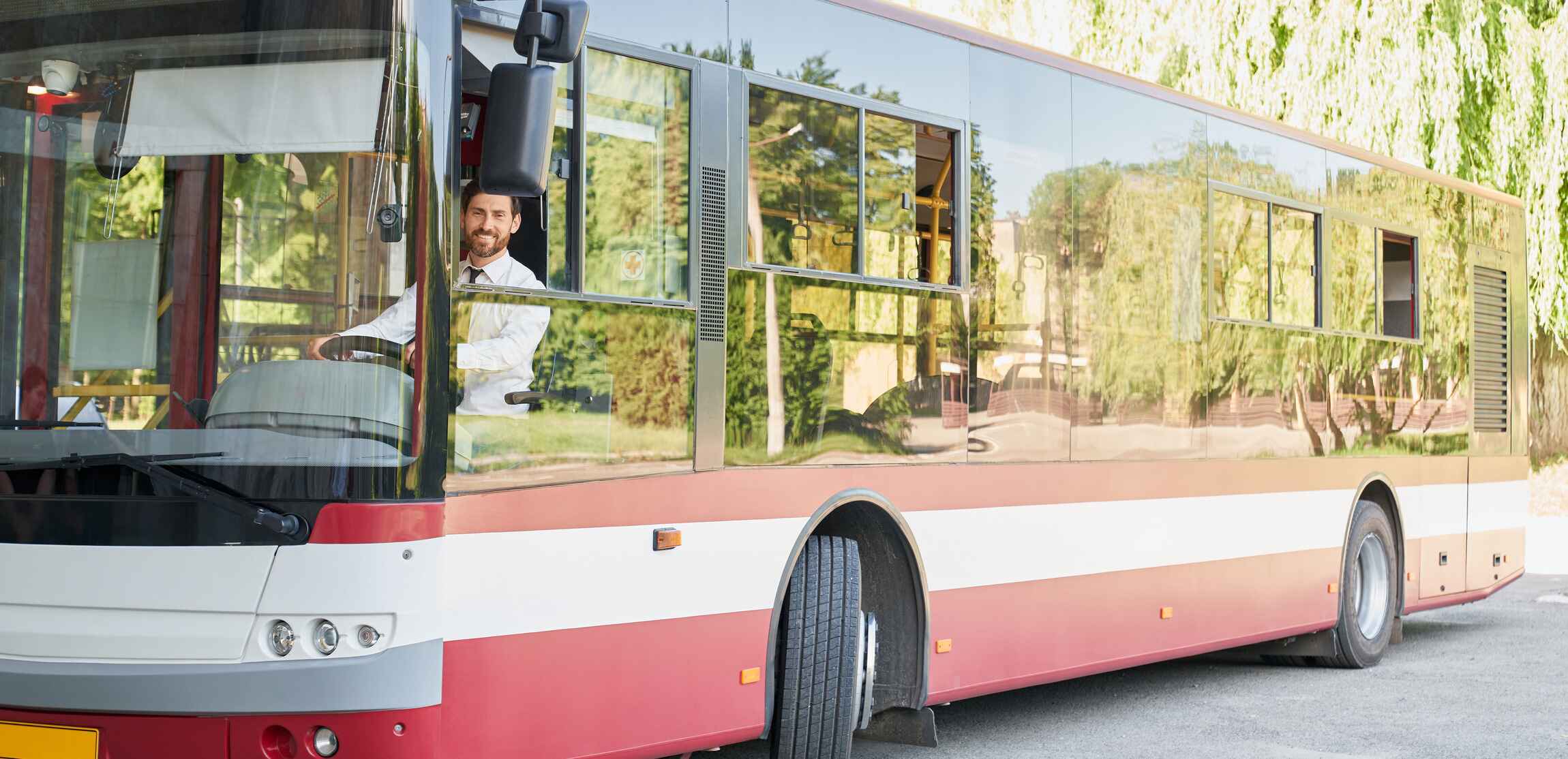
Mallorca’s public bus network is divided into two main systems: the EMT (Empresa Municipal de Transportes) for Palma and its surroundings, and the TIB (Transport de les Illes Balears) which covers routes outside the city, connecting Palma to the rest of the island.
EMT Buses in Palma
The EMT bus service operates within Palma, making it easy to move around the city without a car. The network is well-developed, with more than 30 routes that serve key destinations such as Palma Airport, the main bus and train station Estació Intermodal, and popular beaches like Playa de Palma and Cala Major.
- Ticket Prices: A single ticket costs €2, but if you plan on staying in the city for a few days, purchasing a rechargeable Intermodal Card offers significant savings, especially for multiple trips.
- Timetables: Buses run frequently, especially on popular routes, with services starting as early as 6 a.m. and running until midnight.
- Airport Connection: The EMT Line 1 runs directly from Palma Airport to the city centre and the main port, making it an affordable and straightforward option for airport transfers.
TIB Buses: Exploring Beyond Palma
If you’re looking to explore more of Mallorca, the TIB bus network is your best friend. It covers the entire island, from the stunning Tramuntana Mountains to idyllic coastal towns like Alcúdia and Cala d’Or.
- Ticket Prices: Prices vary depending on the distance travelled, and you can pay in cash or use the TIB Card for contactless payments. Tickets typically range from €3 to €12 for longer journeys.
- Major Routes: Some of the most popular TIB routes include the buses to Valldemossa, a picturesque mountain village, and Port de Sóller, a charming coastal town.
- Seasonal Services: During the summer, TIB offers additional buses to popular beach destinations, like the scenic beach of Es Trenc and the Cap de Formentor viewpoint.
Trains: A Scenic and Efficient Option
Mallorca’s train system is less extensive than its bus network, but it offers some scenic routes that are well worth taking advantage of. The primary service is operated by Serveis Ferroviaris de Mallorca (SFM), which runs from Palma’s main station, Estació Intermodal, to the towns of Inca, Sa Pobla, and Manacor.
Popular Train Routes
- Palma to Inca: This is one of the most popular routes and takes you through the heart of the island. Inca itself is known for its leather goods market and charming old town.
- Palma to Manacor: This longer route reaches the eastern town of Manacor, the birthplace of tennis legend Rafael Nadal.
- Tickets: Tickets are affordable, with prices starting at just €3. The Intermodal Card can also be used for train travel, offering discounts for regular trips.
The Famous Sóller Train
No guide to public transport in Mallorca would be complete without mentioning the iconic Sóller train. This vintage wooden train has been running since 1912 and connects Palma to the picturesque town of Sóller, winding through the scenic Tramuntana Mountains.
- Experience: The journey takes about an hour and is an experience in itself, with stunning views of orange groves, olive trees, and rugged mountain landscapes.
- Price: Tickets are a bit pricier, at around €25 for a return trip, but it’s worth it for the scenic ride and unique experience. You can also combine the train trip with a ride on the vintage tram that runs from Sóller to the port, providing a full day of nostalgic travel.
Trams: The Sóller Tram
Once you’ve reached Sóller by train, you can hop on the vintage tram to travel the final stretch down to Port de Sóller. This delightful tram journey takes just 30 minutes, but the stunning views of the coastline and mountains make it a highlight of any trip.
- Ticket Price: The tram fare is around €8 one-way, but it’s a memorable and charming way to travel.
Biking and Walking
Mallorca is also incredibly bike-friendly, with dedicated cycling paths throughout Palma and the surrounding areas. Many visitors rent bikes to explore the city, while more adventurous cyclists can head into the Tramuntana Mountains or along the coast. The island is also very walkable, particularly in its old towns and villages where you can meander through narrow streets and take in the local charm.
Final Tips for Public Transport in Mallorca
- Use the App: Both the EMT and TIB networks have mobile apps where you can check schedules, routes, and buy tickets in advance. This can be particularly helpful if you’re unfamiliar with the stops or want to plan your journey ahead of time.
- Get the Cards: If you’re staying for a few days, investing in the Intermodal Card or TIB Card will save you both time and money on buses and trains.
- Avoid Peak Hours: While the buses and trains are generally reliable, try to avoid peak travel times if possible, as they can get crowded, especially in summer.
Mallorca’s public transport system offers a convenient, budget-friendly way to explore the island’s diverse landscapes and charming towns. Whether you’re hopping on a bus to a hidden beach or taking a scenic train ride through the mountains, getting around Mallorca without a car is easier than you might think.